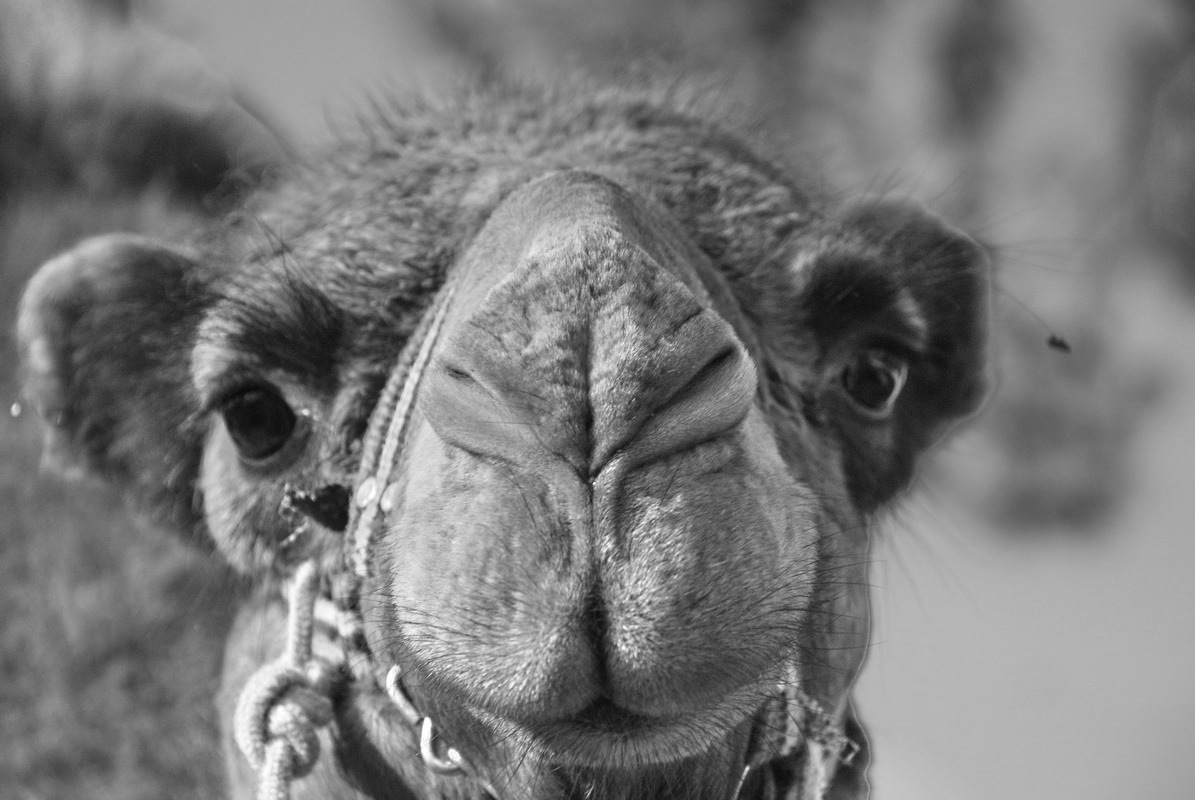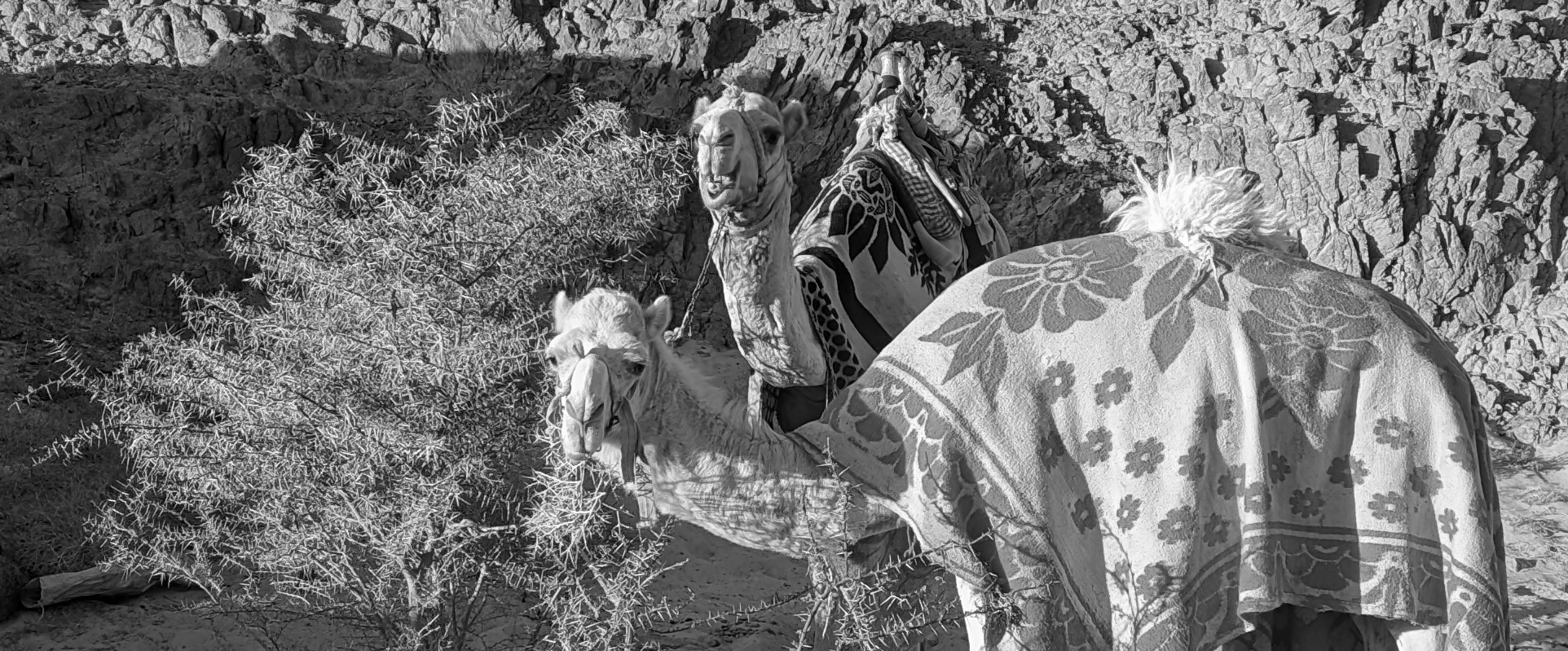
If you think of the desert as serene and silent place, the camel race سباق الهجن in Wadi Hazra – Ghazaleh – Ain Khudra will change your mind completely.
On the morning of January 10th, 2026, the golden sands of the Sinai Desert burst into color, music, beeping pick-up trucks and the sound of gunfire, turning the Wadi into a living celebration of culture and community.
The Hajjan Heritage Camel Race, held in the heart of Sinai, is a modern celebration steeped in centuries of tradition.
In this Article
Welcome to the first desert race in Wadi Hazra, Ghazaleh, Sinai – part sport, part family reunion, part survival exercise, and entirely covered in dust.
Sands of unity: Historical and cultural significance of camel racing in Sinai

The word بَدْو Bedouin comes from Badiya, meaning desert, reflecting their way of life as nomads in the arid landscapes. Dromedary (Camelus dromedarius), or Arabian camels have been companions and lifelines to the Bedouins for centuries, embodying a profound connection that once defined much of their way of life.
Al-Jamal جمل is the most common word for dromedary camel and also means “admiration” or “to be admired”.
Traditionally, Bedouin tribes raced their camels for entertainment and honor during gatherings and festivals. These competitions also served as a peaceful way to settle disputes and bring tribes together. They are usually held in the winter months, between December and February, during weddings and other festivities.
Nowadays, Hajjan races are being held for tourists and this race in Wadi Ghazaleh – Ain Khudra is one of them.

After plenty of unclearity and hearsay regarding whether the race was on this year, we finally received word that it was taking place at a different venue than usual because of gentle differences between tribes. After 40 years being held in Wadi Zalaga, the race’s location this year was changed to the urban area of El Tor to allow more official oversight by the military.
Due to protests from the Tarabin from the north and Al-Mazayna (Mezeina, Muzina) from the south, on January 10th 26, one race was held in El Tor with only Tarabin Bedouins and one in Wadi Ghazaleh for the Mezeina tribe people, a third race in North Sinai was also planned. This caused a logistical confusion, with many not knowing where the race was being held and when.
The camels raced anyway, to the joy of the local Bedouin tribes, abundant foreign spectators, and adventurous Egyptians who made the long journey from Cairo to Sinai.
Sands of joy: Bedouin evening of songs, dance, and celebration under the stars
The sands around Ain Khudra are usually discreet. They keep their history buried, their movement minimal. On the evening before the race however, the desert made an exception.
The location of Wadi Hazra made it necessary to assemble the night before the race and camp under the desert stars. We arrived in time for a sunset walk. Bedouin camel owners and spectators were slowly arriving. The almost silent footfall of the camel in the sand has a name: Waq‘-ul-Khuff وقع الخف, a rhythmic, soft thud of the camel’s leather-like pad khuff striking the sand. And Khashfa خشفا, that describes the sound of footsteps passing through dry, soft sand.
Bedouin proverb (from C. Bailey, in A culture of desert survival)The road is like a place where men meet and talk
Pickup trucks arrived in small clouds of dust, each carrying men, boys, tents, rugs, opinions. Fires emerged, coffee and tea was poured with ceremony.
The night before, the desert is alive with conversation, as tribe members camp together, sipping coffee, sharing stories, smoking, and making decisions that stretch beyond the camel race itself. Men discuss issues that affect them all – matters of land, water, and tribe. And throughout it all, music fills the air, songs and chants drifting into the star-filled desert sky.
Companions make sure each other arrives
Bedouin proverb (from c. Bailey, in A culture of desert survival)
Fires flicker along the two sides of the valley, nestled in sheltered niches that provide some refuge from the icy wind. The headlights of 4x4s and pickup trucks slice through the darkness as people move from campfire to campfire, transforming the once empty valley into a vibrant tent city, with something of a nomadic festival atmosphere with games, songs and dances.
Bedouin musical tradition is deeply intertwined with the nomadic lifestyle of the desert and spirituality. Men, dressed in the farwa فروة a traditional, fur-lined cloak and Keffiyeh headscarves, gather to clap, sing, and dance.
The desert’s vast silence is broken by the rhythms of their songs, a unique musical language that reflects their values, heritage and stories that have been passed down through generations.
As we sat in the tent with the locals, we shared songs, dances, and games. One of the most challenging was الرأس والكأس, a game of balance where players must stand up from a lying position while keeping a glass of water balanced on their forehead. It requires great skill and precision.
Another favorite was التقاط بالفم, where participants squat on a canister with legs stretched out behind them, then pick up a cigarette with their mouths. The locals, tough and skillful, performed these feats with ease, showcasing their agility and strength.
What a joy it was to be there, celebrating Bedouin hospitality, embracing their culture – an enchanting heritage that captivates and inspires, without the need for alcohol.
On our way back to the camp, the night sky above was enchanting. Once the Bedouins were expert astronomers, using stars and constellations to navigate the vast desert. I gazed up at the Milky Way, wondering about the deep connection between the stars, the sand, and the desert people below.
Sands of silence: The calm before the camel race
We experience desert hospitality as warm, kind and welcoming. Early morning we sit to a small fire and tea, bread and cheese is offered by locals, like the leader of the Jebeliya tribe, which is directly descended from the original, 6th-century guardians of St Catherine’s Monastery in the Sinai.
“I live just behind that mountain and have 15 children”, Al Mohamed Soliman from the tribe of Alegkat-Tselat, explains adding tiny pieces of firewood with careful hands and warming bread on the coals.

All is calm, the golden sand lies in serene quiet, broken only by the soft whisper of the wind, only the rughaa رُغاء stirs the air – a deep, throaty gurgling growl, a sound that carries the camel’s quiet protest.
By mid-morning, Ain Khudra is no longer still. Pickup trucks begin to arrive from every direction, rising through the dust, their engines roaring. Men greet one another with long handshakes and short sentences, they squat and smoke. Fires are restarted. Somewhere, more tea is poured.
A camel race is more than mere celebration; it serves as a testament to the enduring bond between the Bedouin people of Sinai and their camels.
Boys, already alert, linger near camels whose expressions suggest both dignity and mild suspicion. They soon will run along Wadi Ghazaleh, followed by a pack of cars racing each other to get close to the camels, to cheer on and to look after their safety.
It is a Bedouin family’s responsibility to teach their children – especially boys – how to take care of his camel, how to contain it and how to race with it. These boys have a deep bonding experience with their animals, while they are a لزلجة Hajjan, a “camel jockey” and this is demanding focus and strength. Father and son prepare them for the race.

The growling camels are outfitted with a lightweight cotton saddle, known as مهوي Mahawi or mahari. Some riders opt for a شداد shdad, the sturdy wooden, high-pommelled riding saddle شداد جمل خشبي commonly used by North Arabian and Egyptian Bedouin, instead.
At the race, we notice that the jockeys riding with the wooden saddle wrap their leg around the tarfa, securing themselves firmly in place to avoid falling off.
Other Bedu ride camels, which move by lifting both legs on one side at the same time, giving them a seesaw motion that requires a great deal of balance to ride.
Camels in Sinai – are called, a gift of God عطاء الله, they have been indispensable to the traders, warriors, and nomads of this arid region, shaping both the economy and the social structure. We could see the connection they have is deep.
This race is more than competition; it’s about preserving Bedouin heritage, honoring their roots, passing them on to the next generation. For the young boys, it is their moment to shine, a chance to prove their worth as camel jockeys and to race for the pride of their tribe, their family, and the timeless traditions they carry with them.
Sands of speed: The thrill of the race – hooves, hearts, and heritage in the desert
This is no ordinary contest; this is the first-ever camel race held in Wadi Ghazaleh, Ain Khudra, a historic moment for the Al-Mazayna tribe, the hosts of the event. Cheers and excitement fill the air.
This camel race seems to be free of institutions: no starting line, timers or sponsorship to bee seen, I cannot even see a track.
But the air is filled with a sense of urgency.
Camels shift their weight with patience, grumblig as if preparing for an occasion of great importance as red numbers are painted on the long necks.
A jockey, readying himself for the race, adjusts his Keffiyeh, wrapped over his head and mouth, its intricate patterns a symbol of his heritage. Another boy settles into a cotton saddle, bare-handed and barefoot. He has been taught by his father, who learned from his father, who learned by falling. This remains the preferred method.
Now the camels line up, which is to say they are lined up lying on the ground next to each other. Someone shouts. Someone else waves. The camels sit still, with inscrutable expression, not moving at all.
The humans begin pushing them. Trying to get them into action while the camels resist with the grace of creatures who’ve long since mastered the art of doing things their way – there’s a lot of grumbling, a little resistance, and eventually, they rise, slowly. One stands. Then another. Then suddenly all of them.
And just like that, the desert breaks open.
The camels surge forward with surprising velocity, legs moving in a way that appears mechanically improbable. Camels can reach speeds of 40 to 65 kilometers per hour, though from the side of the track – if such a thing can be said to exist – it looks less like speed and more like urgency.
On top of the race a camel without his rider. Almost immediately the pack splits up camels start to run between the speeding vehicles, seeking faster routes along the valley.
We hear the wind and shouts of “Yalla! Yalla! Yalla!” before the dust cloud takes form. As the camels charge across the desert, a fleet of pickup trucks, 4x4s, and vehicles that probably shouldn’t still be running chase alongside them. Each car is packed with cheering Bedouin and onlookers – standing, sitting, clinging to roofs – while engines scream, horns blare, and someone inevitably fires celebratory gunshots into the air.
We can feel the adrenaline, the energy crackling in the air as the race unfolds. Dust rises thick and theatrical. Trucks follow us into it, engines straining, drivers attempting to outmaneuver both one another and geography itself.
We spent thrilling minutes bouncing through the desert, with Gared, our driver, expertly navigating every bump and groove as he pushed to catch up with the leading group that had just overtaken us.
Camels are galloping next to us, behind us, and on either side, their nearness electrifying as they push forward with, their lips swinging and foam on their mouths. Riders crack their whips, urging their camels to run faster, while we weave through the dust in our pick up, attempting to keep pace with the camels.
Cars get stuck. People jump out to push. Engines give up and die heroically in the sand.
The race takes place over a short track of uneven, unpredictable terrain, and it quickly becomes clear that as much as it is an opportunity for young boys to prove their prowess as camel-jockeys, it is also a chance for their older compatriots to show off their driving skills – as they attempt to keep up with the camel pack on the rough terrain.
Each jokey with a whip in hand, legs flailing sideways, airborne above his camel’s hump, some using one leg to cling to the wooden saddle, weaving between vehicles, and somehow avoiding being run over by overenthusiastic supporters.
More dust.
The pick-up trucks now seek to overtake the racing camels to reach the finish line, some truly wild driving ensues as they join the racers in jockeying for the prestige of being the first over the line.
And then it happened, “We are stuck!”, our truck, now officially in last place, we struggle to free ourselves, each attempt is met with the stubborn resistance of the deep sand, which seems to swallow the vehicle whole. The last camels glide ahead, we cheer them on. Mohamed climbed out of Uncle Gared’s, pick-up truck and hopped on the mudguard to get the car moving.
“Thank you Moha, yes, it worked.” Effortless he lifts himself into the pick-up and we move off again on this break-neck terrain.

There’s a moment where the only sound left is the wind, the soft scrape of tires in the sand, and the rhythmic gallop of camels racing toward the horizon. The finish line feels farther away than ever, not because the race is over for us, but because, in the desert, victory is elusive.
For me it wasn’t just about the race; it was about the journey – the interplay between man-made machines and ancient camels, between humans and the harsh desert. Both sides pushed to outlast the other, each tested by forces beyond their control.
The camels, those majestic creatures, continued their steady pace, while machines just stop – now there’s a new respect between us.
They don’t need to rush. The desert is theirs.
And as we dust off our pants I can’t help but think: maybe, just maybe, we were just lucky enough to be along for the ride.
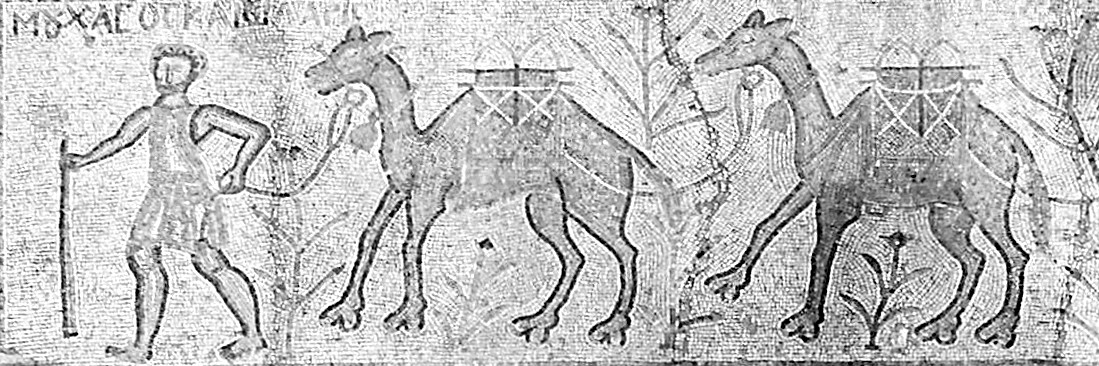
Behind the dust and drama lies something deeper. Camel racing isn’t just sport – it’s memory, identity, and survival passed down through generations. This beasts of burden carried trade, people, and entire cultures across deserts long before 4×4 existed. They shaped economies, families, and stories.
Sands of victory: A moment of glory beneath the desert sky
Somewhere ahead of us, the camels cross the finish line, their riders standing tall and proud. We arrive in time for the prize-giving.
From the back of a pickup truck filled with victorious jockeys, Sheikh Rabee Barakat from the Alegat tribe and Sheikh Saleh Mohammed Ayed Al-Muzini from the Jebeliya tribe, announce the victorious boys who crossed the finish line first, while determining the winner’s prize pot, generously donated by the tribe is shared with all participants.
The camels stand peacefully in the back, their presence as calm as the desert air. A golden trophy, gleaming in the sunlight wanders from hand to hand, photos are taken, someone shouts:”Muzina, number one.” Cheering, tourists join the fun.

Sands of tradition: The unique spirit of a camel race
These events not only provide entertainment but also help support local economies and offer insights into the art of camel racing. They blend the love for tradition with the excitement of competition, attracting participants and spectators, both local and international, heightening the culture and boosting the tourism industry.

And once the race is over, trucks leave, camels disappear into the desert, families disperse in different directions, back toward villages, wadis, and borders that only sometimes matter. Fires are extinguished. Plastic collected. The valley empties.
By evening, the wind will have erased every trace: wide and flat hoof prints, improbable tire tracks, the memory of speed. The sand will return to stillness, as though nothing ever disturbed it.
Except that it has.
Yet, moments like the Hajjan هجان Camel Race in Wadi Hazra (Ghazaleh), remind us that heritage does not simply fade. It moves – across the sand, through generations, in the gallop of a camel and the pulse of the desert itself.
The race may be over, but the desert continues to remember, and the Bedouins will continue to run.

Because a race is not about spectacle. It is about continuity.
About boys learning balance at speed.
About tribes meeting without needing an invitation.
About an animal that once made the desert navigable and still insists on being taken seriously.

About travelers having an opportunity to witness Sinai in its purest form, where history, and tradition come together. Because visiting a sand race is a journey through time, culture, and emotion.
And about dust – rising briefly, dramatically – before settling back into history.
Sinai connects us to simple things – stars, sand and silence – precious things.
Thank you people of Sinai for your hospitality, companionship and generosity.
~ ○ ~
Works Cited & Multimedia Sources
بارك الله في سيناء وشعبها
may god bless Sinai and its people
- 🙏 special thanks: Sheikh Rabee Barakat, Sheikh Saleh Mohammed Ayed Al-Muzini, Ramadan Soleman, Sayed Barakat, Youssuf Barakat, Saiid, Mohammed.
- We acknowledge the use LLMs and AI tools for research, summarizing initial notes and to proofread our final draft since.
- https://ich.unesco.org/en/RL/camel-racing-a-social-practice-and-a-festive-heritage-associated-with-camels-01576
- https://ich.unesco.org/en/decisions/15.COM/8.B.11
- https://www.academia.edu/13303354/Camel_praise_songs_of_the_Afar_pastoralists_and_their_Ecological_messages
- https://www.academia.edu/36953240/Structuring_forces_of_pastoral_nomadism_in_S_W_Asia_with_emphasis_on_camel_pastoral_nomadism_
- https://www.youtube.com/watch?v=-olywp9cPwI
- https://www.thebedouinway.com/bedouin-blog/2014/7/25/camels-in-sinai-our-gift-of-god-
- https://www.vice.com/en/article/wadizalaqa-camel-race-egypt/
- https://scenetraveller.com/Discovery/This-Is-Egypt-s-Largest-Ever-Camel-Race-in-the-Sinai-Desert
- https://www.dw.com/en/the-children-behind-zalaga/a-71858616
- https://www.newsflare.com/video/712112/egypt-the-bedouin-tribes-of-sinai-honor-their-ancestors-with-a-camel-race
- https://www.scribd.com/document/648982043/Bedouin-Music-of-Southern-Sinai
- https://www.cntravellerme.com/story/off-roading-alongside-egypts-annual-zalaga-camel-race
- https://www.aramcoworld.com/articles/2018/the-art-of-saddling-a-camel
- https://www.newarab.com/features/inside-secret-camel-race-south-sinai
- https://www.jstor.org/stable/27317735
- https://www.arabnews.jp/en/saudi-arabia/article_33830/
- https://scenetraveller.com/Discovery/This-Is-Egypt-s-Largest-Ever-Camel-Race-in-the-Sinai-Desert
- https://www.sinaimonastery.com/index.php/en/the-bedouin/bedouin-tribes
- https://www.academia.edu/143961305/Skill_in_Play_Games_and_Toys_among_the_Ghrib_Children_of_the_Tunisian_Sahara_in_the_1970s
CAMELS - https://www.cntravellerme.com/story/off-roading-alongside-egypts-annual-zalaga-camel-race
- https://dubaidesertsafarie.com/camel-riding-history-desert-culture/#Frequently_Asked_Questions_FAQs
- https://www.ebsco.com/research-starters/zoology/camel-racing
- https://mdlbeast.com/xp-feed/music-industry/all-about-the-bedouin-music-culture
Keep exploring:
-
Coffeehouses in Constantinople•Istanbul
-
On account of its meager demands, its endurance, and its swiftness, the dromedary is essential to desert life. The Camel is deeply embedded in the cultural and natural heritage of the communities living in semi-arid and arid landscapes from western Africa, the Leveant or Al Sham, to the Arab Peninsula to Pakistan and India. Discover history & heritage of the desert people living with the Camel or Dromedary. Watching a herder handle his camel, I saw something rare, something deeper than tradition or routine. It was connection, quiet and unspoken in a rhythm you feel more than hear. I realized…
-
Discover mythology, history and traditional medicinal use of Omani Frankincense Hojari, once and today. Oman is permeated with frankincense, so prevalent that we immediately register the national signature scent. The fragrant gum resin is obtained from balsam trees (Boswellia), most commonly the tree resin is put on a heat source so that smoke is given off. The special container, an incense brazier is known in Oman as a Magmer, there the frankincense smoulders and gives off its fragrant smoke. In about 30 minutes, the small nugget is completely burnt, but the fume lingers, the fruity fragrance persists in the air,…