
HISTORY • HERITAGE
earthstOriez compiles, shares & preserves storiez.
What you read is derived from our experiences, observations and encounters – spontaneous human-to-human connections. Because kindness lives in the little things and simple acts of generosity we give and get.
earthstOriez celebrates history & cultural heritage, merging temporarily with a place and its people, as much as we can – exploring and appreciating all the diversity around us.
Using history and heritage to tell the story of our journey.
Cultural heritage is – the stories we tell
– it’s in the food we eat (rice, potatoes, coconuts), the coffee, tea, mate or tereré, we drink, the clothes we wear, the moral ideas we follow, the arts and the skills we learn.
Collecting tree lore and medicinal plant knowledge, observing wildlife and discovering stories that surround creatures, like the yeti, pandas, lions, tigers, orangutans, camels and dragons.
Grumbling about the world of critters that infest our beds at night – my partner has all the bites to proof it.
earthstOriez aims to contribute to a culture of peace, a culture of social interaction based on diversity; a culture that seeks a solution to problems through dialogue and negotiation. Peace is build together, piece by piece – pixel by pixel. With our PAX MUNDI art project we call the global community for world peace – Please build networks of peace.


Welcome to stories of wonder and every-day life.
Discover our travel life fueled by Fun, Fails & Random Acts of Kindness
What you find on earthstoriez
-
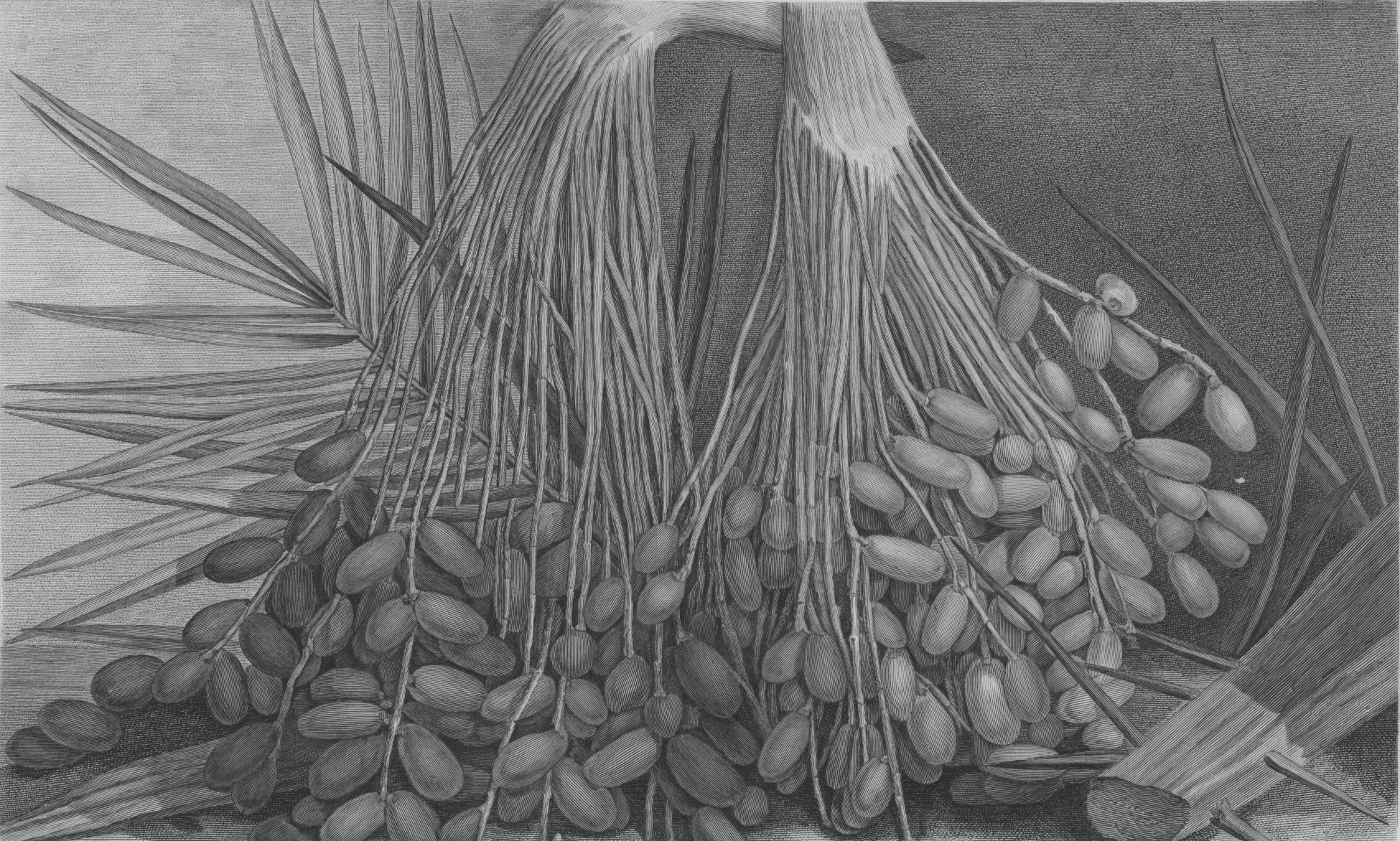
The curative use of the Date Palm
The date palm (Phoenix dactylifera L.) is the tree producing the date, a delicious and nutritious fruit. Date palms represent self-reliance and abundance: parts of the tree have a medicinal use. Phoenix dactylifera L. The date palm, Phoenix dactylifera, is an evergreen tree that belongs to the large and diverse palm family. It grows up…
-
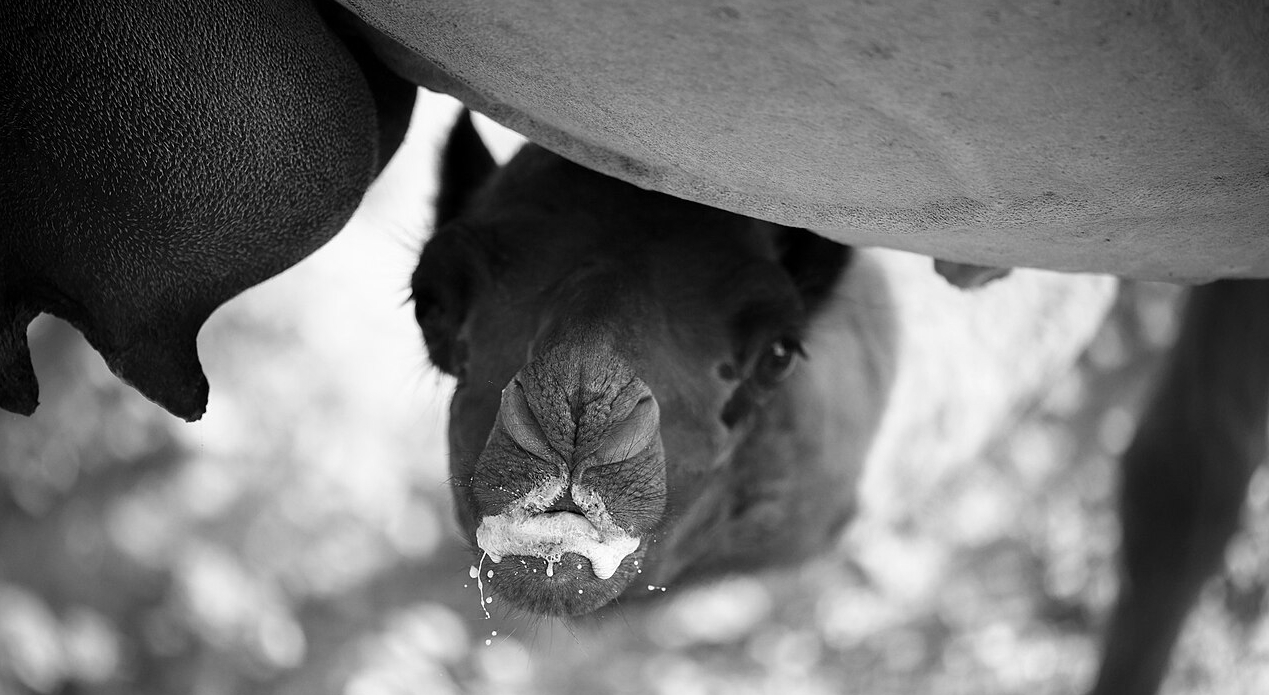
The curative use of camel products in history and heritage
The dromedary camel (Camelus dromedarius) thrives in hot, arid, and semi-arid desert habitats. Discover the use of camel products in the history and heritage of medical practices of ethnic groups from the Arabian Peninsula to India and in traditional African medicine. ETHNOMEDICINE: The use of camel products in history and heritage of traditional medicine Since…
-
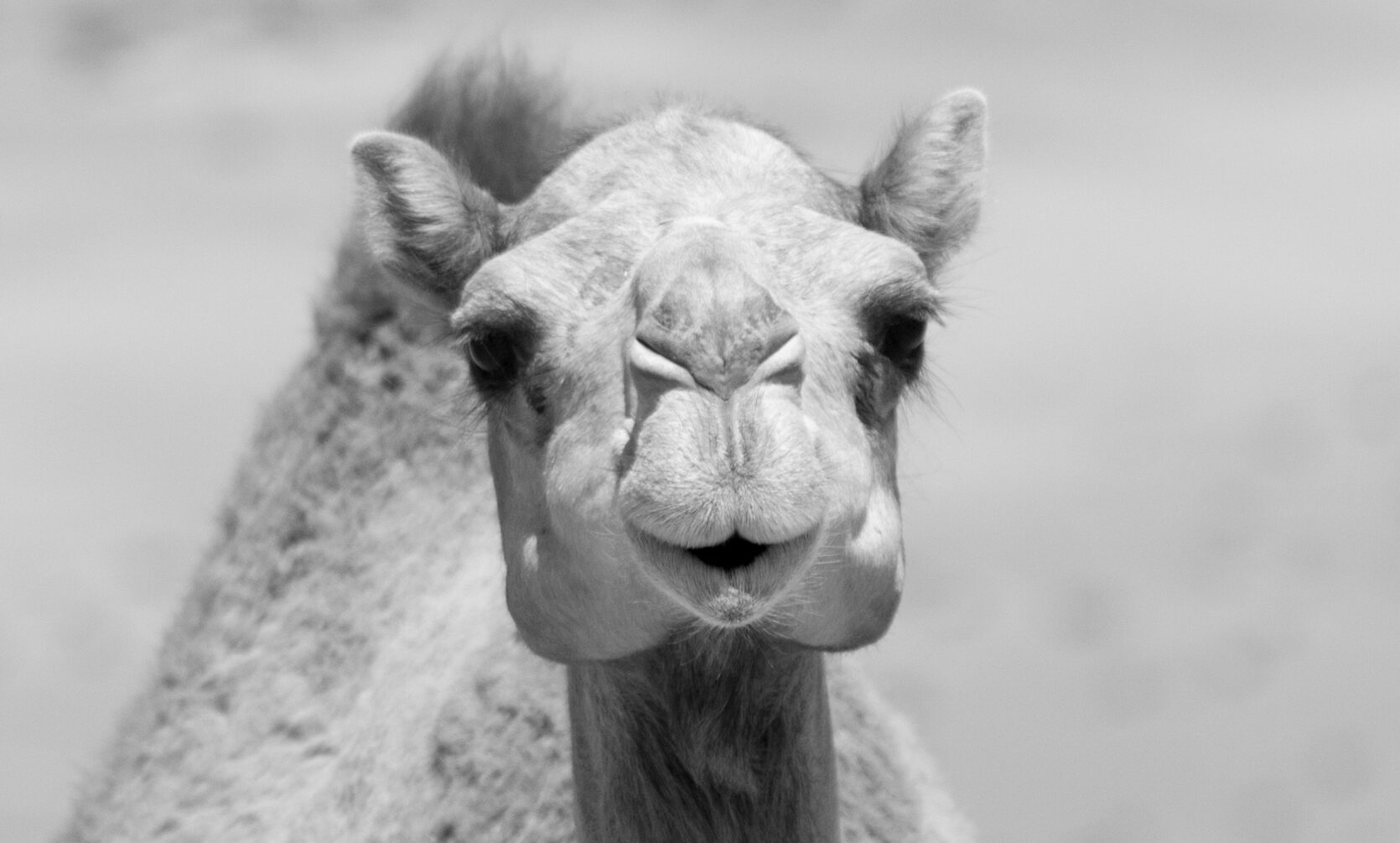
On History, Heritage and Folklore of the Arabic Camel
The Dromedary camel is deeply embedded in the cultural heritage from western Africa, the Levant and the Arabian Peninsula to Pakistan and India. Their symbolism extends to various aspects of heritage: history, folklore, as well as religious practices. Discover the history, heritage and folklore of the Arabic Camel or Dromedary. The name Dromedary comes from…
-
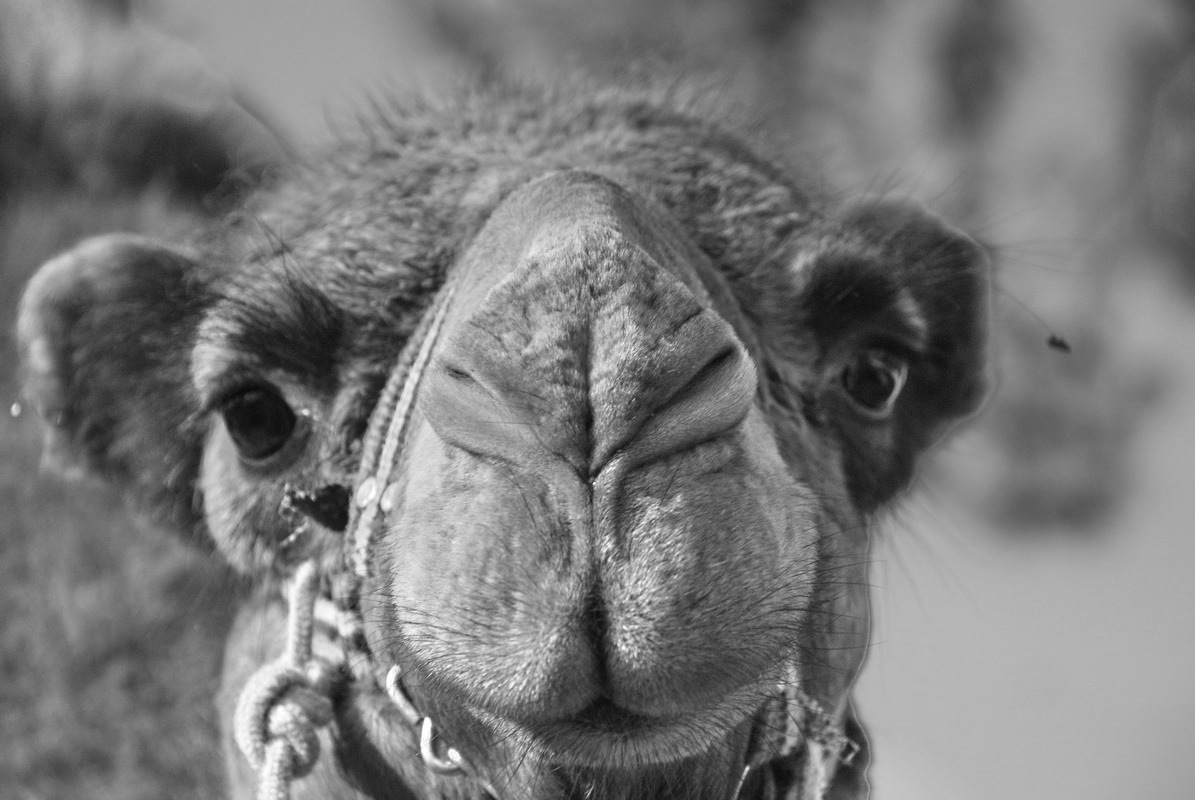
Living with camels
On account of its meager demands, its endurance, and its swiftness, the dromedary is essential to desert life. The Camel is deeply embedded in the cultural and natural heritage of the communities living in semi-arid and arid landscapes from western Africa, the Leveant or Al Sham, to the Arab Peninsula to Pakistan and India. Discover…
-

A sensory journey of Italian coffee beyond taste
The coffee experience goes far beyond just taste; it’s a multi sensory journey that engages all of our senses. From the moment you smell the freshly ground beans to the sound of coffee brewing and the feeling of a warm cup in your hands. Enjoying coffee is a symphony of sensory delights. Waking up to…
-
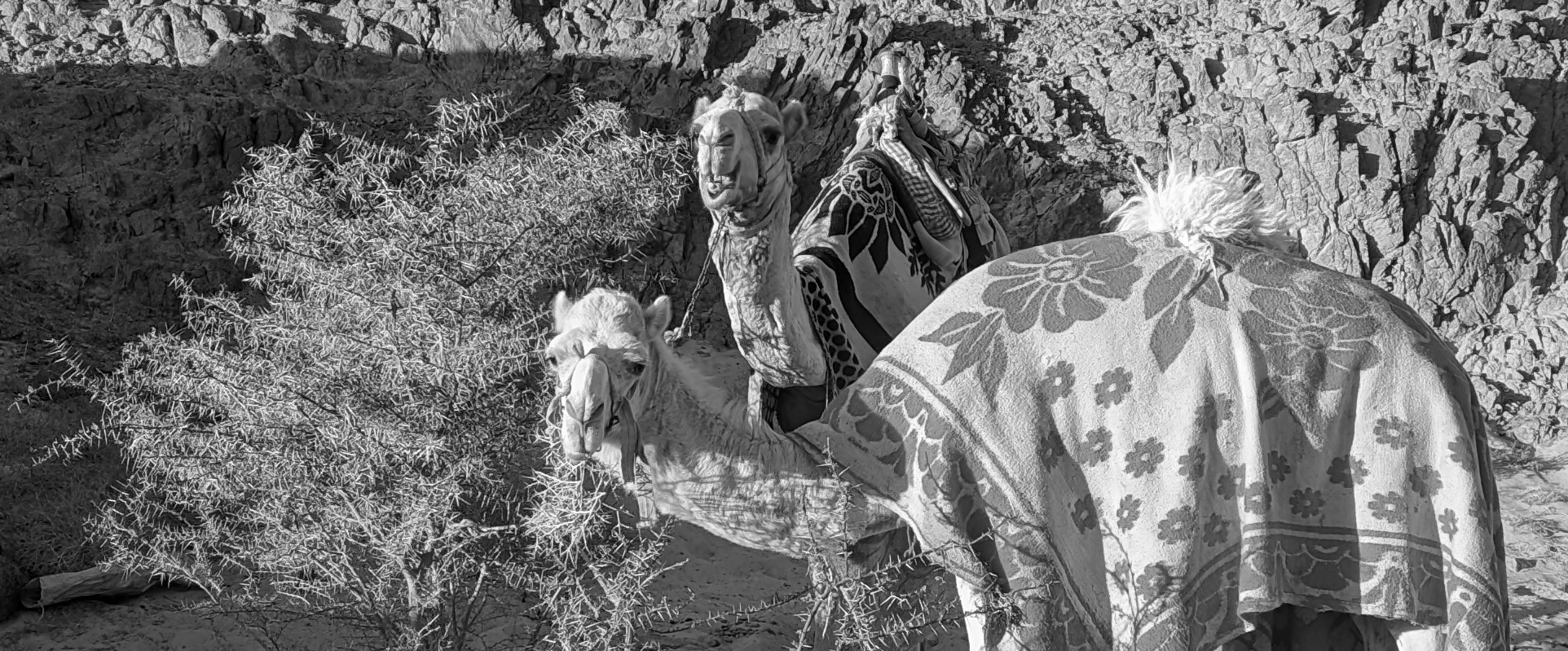
Egypt, Sinai: Hajjan Camel Race لزلجة هجان – Ain Khudra
Experience the thrill and tradition of the Hajjan Camel Race سباق الهجن in Wadi Hazra – Ghazaleh – Ain Khudra of January 10th, 2026, Sinai. This vibrant desert event brings together Bedouin tribes in a spectacular display of heritage, speed, and community. The camel race, more than just a competition, is a celebration of the…
-

India: Living with tigers
Were-tigers, tigerman, tiger goddesses and tiger gods, local beliefs and practices shape human-wildlife coexistence in India. Because communities that share space with tigers view the striped animals as “beasts”, “protectors”, “owners”, “family” or as “vehicles of the gods”. The tribal tiger takes different shapes that echo through India’s forests out of fear and hope.
-

INDIA: On History, Myth & Folklore of the Bengal Tiger
Tiger, Tiger! Tigers are deeply embedded in the cultural and natural heritage of India. They feature prominently in Mughal history and Hindu, Jain, Sikh and Buddhist thought and are associated with deities, royals and epic stories. Their symbolism extends to various aspects of Indian heritage: mythology, folklore and art, as well as religious practices. Discover…
-

INDIA: On History, Myth & Folklore of the Asiatic Lion
Scientifically known as Panthera leo persica, the Asiatic lion is a symbol of power and royalty, deeply embedded in the cultural and natural heritage of India and beyond. Discover history, myth & folklore of the Asiatic Lion or Panthera leo persica. The king of the jungle The season was dry; the grass was withered, yellow-gray.…
-

The curative use of lion products in history and heritage of India and Africa
Discover the use of lion parts and products in the history and heritage of medical practices of ethnic groups of India and in traditional African medicine. Lions would have once been abundant through large parts of India and Pakistan. Unfortunately, they were hunted to almost extinction. Lion hunting was often part of elaborate court ceremonies…
-

The curative use of tiger products in history and heritage of India and Asia
Discover the use of tiger parts and products in history and heritage of medical practices of Ayurveda, ethnic groups of India and in traditional Asian medicine. ETHNOMEDICINE: The use of tiger products in history and heritage of traditional Indian medicine The study of how people of a particular culture and region interact and use tiger…
-

*Treelore: Guggal or Mukul Myrrh – Indian fragrance of the Gods
Guggal. A fragrance known to the west since Biblical times, with medicinal properties known to Indians for long before that. Shivam Tiwari shares with earthstoriez the benefits of this natural product beyond its nice smell. Family: BurseraceaeCommon species of myrrh trees – Commiphora: The generic name is derived from Greek ‘kommis’ and ‘phora’ meaning gum…
-
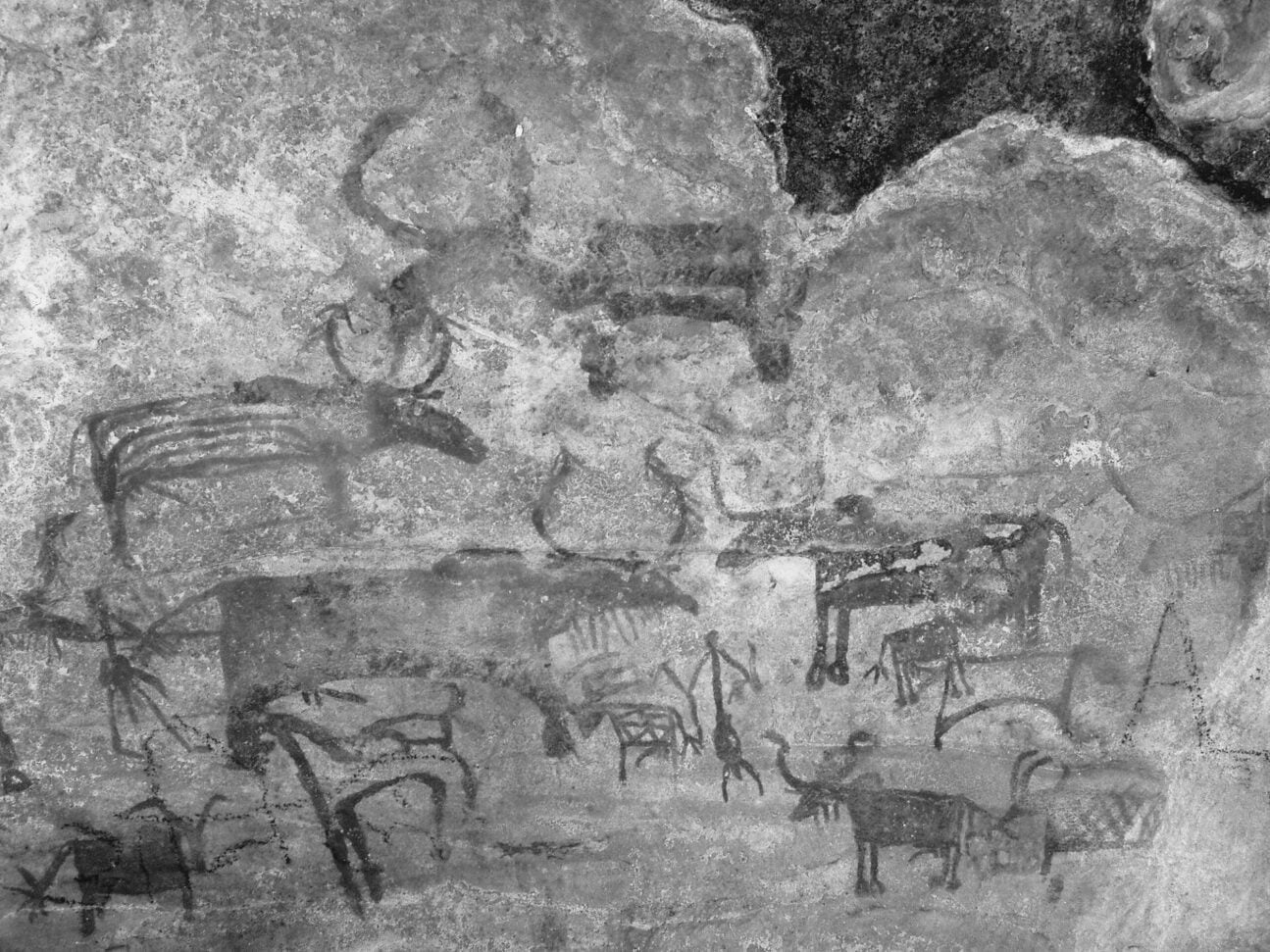
A short history of the domestication of the cow and bull in India
Discover a short history of the domestication of the cow and bull in India, from the Aurochs to the Zebu. Aurochs Archaeologists and biologists are agreed that there is strong evidence for two distinct domestication events from aurochs: Bos taurus in the near east about 10,500 years ago, and Bos indicus in the Indus valley…
-
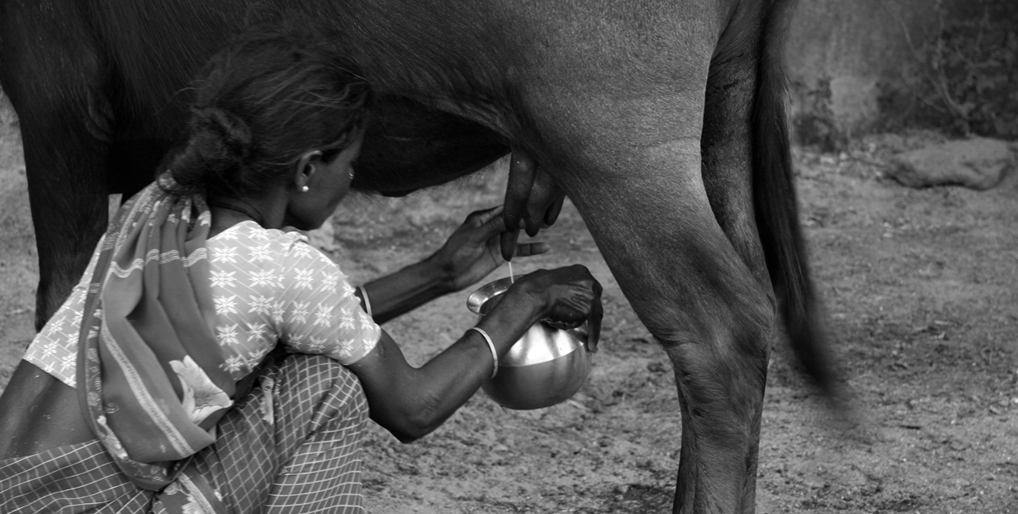
The curative use of cow products in history and heritage of India
Discover the use of cow products, like milk, ghee, urine and dung in history and heritage of traditional Indian medicine, Ayurveda and daily life. ETHNOMEDICINE: The use of cow products in history and heritage of traditional Indian medicine, Ayurveda and daily life The study of how people of a particular culture and region interact and…
-

MEXICO: TREELORE – Cacao in Chichen Itza
Discover cacao in Chichen Itza, the most important archaeological vestige of the Maya-Toltec civilization in Yucatan, Mexico. I am a historian and visiting archeological sites for me is like time travel, an enriching and fascinating journey into the past. Chichen Itza The Quiché/K’iche Mayan city is home to numerous stepped pyramids, columned arcades, and temples.…
-

Coca in South American tradition: Social and ritual uses
The “hoja sagrada” or sacred leaf has enormous significance to Aymara and Quechua people in the Andes. Discover the coca leaf in South American tradition, it’s social and ritual uses. Traditionally, Andean communities value the leaves of the coca plant (Erythroxylum coca) in religious and social rituals. Coca leaves are known for their strength giving…
-
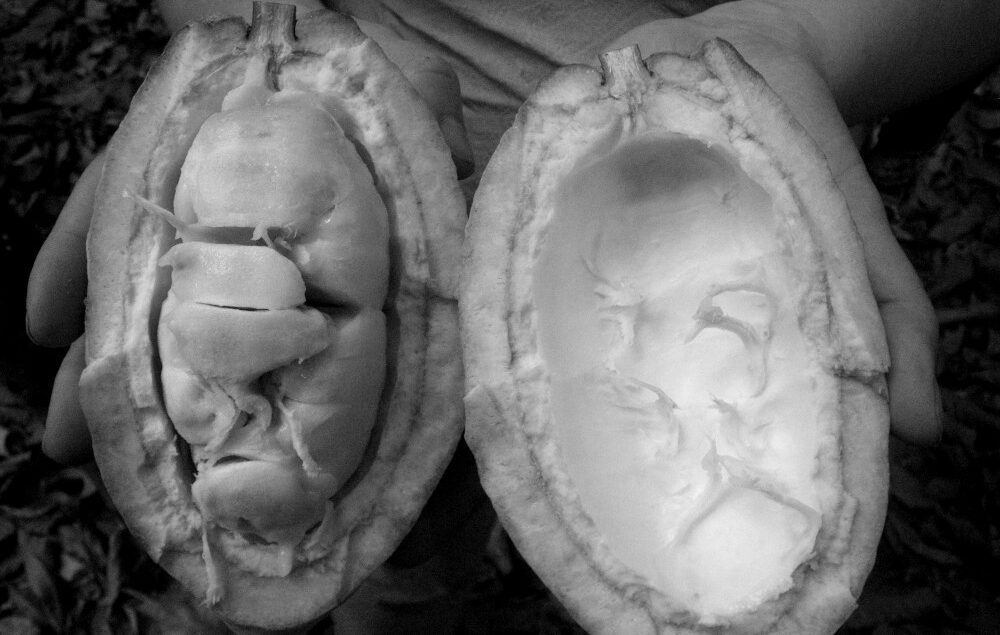
The curative use of Cocoa in Mesoamerican history and heritage
Discover the curative use of cocoa among the Maya & Mexica/Aztec of pre-Hispanic Mesoamerica, based on reports from the colonial era to the present day. Theobroma Cacao Family: MalvaceaeNahuatl: cacahuatlTzeltal, K’iche’ & Classic Maya: kakawSayula Popoluca: kagawSpanish: CacaoEnglish: cacao tree, cocoa tree The discovery of chocolate was ever a story of many dimensions, and the…
-
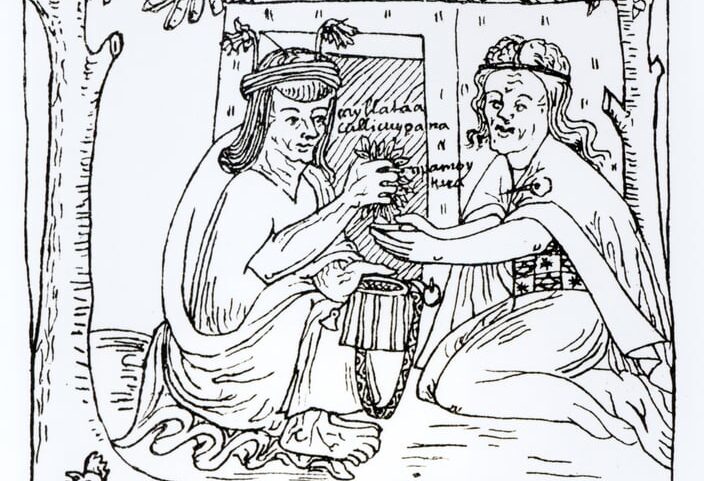
The curative use of Coca in the Andes
Southamericans chew coca leaves to eradicate hunger, thirst, improve muscle stamina, to counter altitude sickness and oxygen deprivation. The leaf is also used in teas (or mate de coca), in cooking and for religious ceremonies. Discover the curative use of Coca for the Andean communities. Erythroxylum coca Family: ErythroxylaceaeSpecies of coca trees:Erythroxylum coca (Andean coca…
-
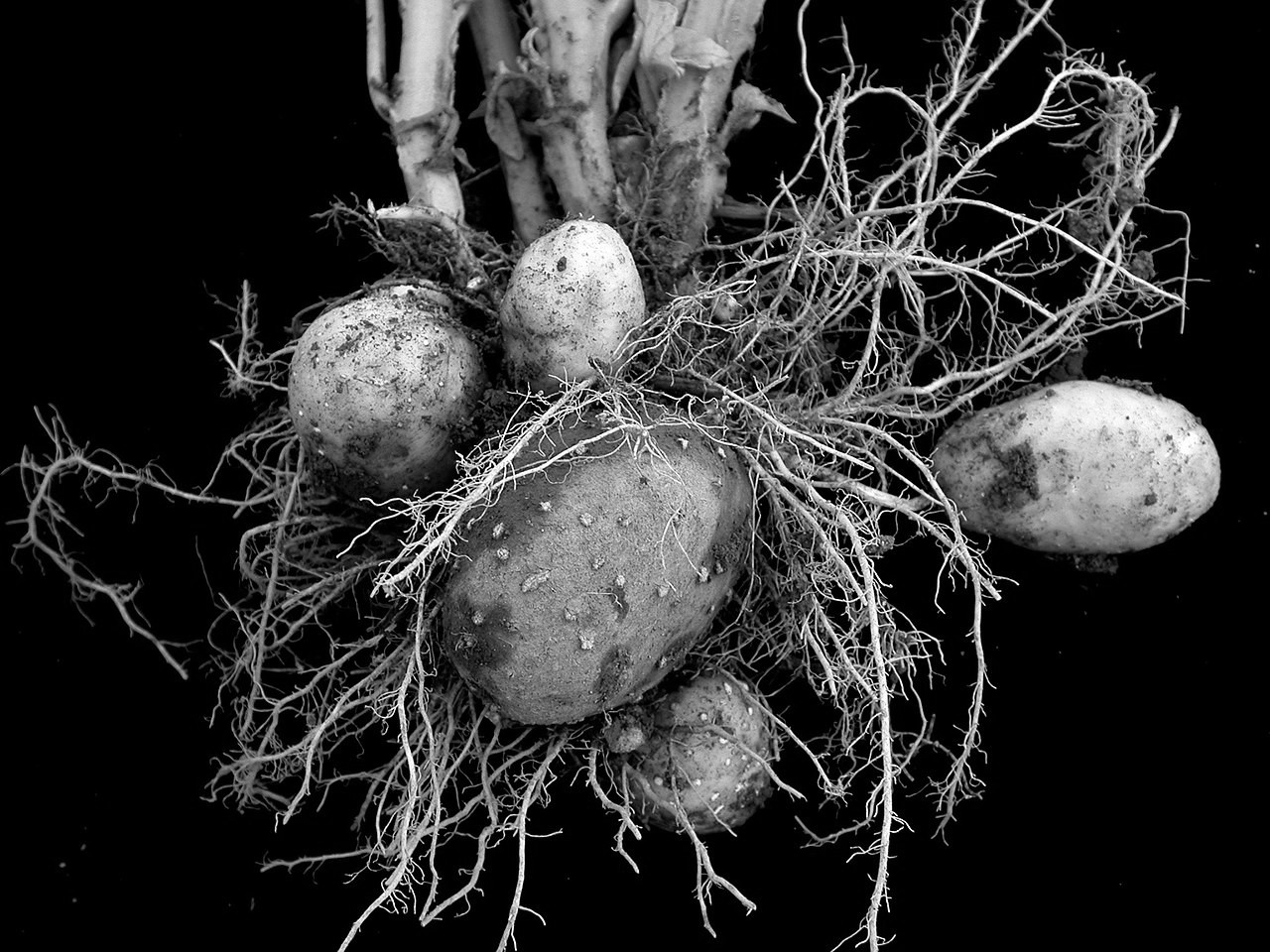
The curative use of Potato in Andean history and heritage
Potatoes are stem tubers and considered a starchy vegetable. There are many health benefits to potatoes, they are rich in starch, fiber, vitamins, and minerals. Discover the curative use of potato in Andean history and heritage. Solanum Tuberosum Family: Solanaceae, nightshadeQuechua/Aymara: Papa, Ch’uqiTaíno: Batata, used for sweet potato and potatoSpanish: PatataEnglish: Potato A great percentage…
-

The use of the Coconut in India
Every part of the palm is useful in one way or another. Coconut’s historical, cultural, and health significance in India, includes its uses in food, medicine, and religious ceremonies. COCOS NUCIFERA Family: PalmaeSanskrit: NarikelaHindi: Nariyal नारियलEnglish: Coconut palm There are many theories regarding the origin of the coconut and each has its proponents. For some,…
-

The curative use of Sacred Fig trees in Indian history and heritage
All parts of the Sacred Fig are used as a medicine for their cooling and healing properties, as part of the Indian Ayurvedic healing system. The fruits, leaves, bark and even the latex are used to prepare herbal remedies, to treat various diseases of the skin and blood, the digestive, reproductive, respiratory and other body…