
HISTORY • HERITAGE
earthstOriez compiles, shares & preserves storiez.
What you read is derived from our experiences, observations and encounters – spontaneous human-to-human connections. Because kindness lives in the little things and simple acts of generosity we give and get.
earthstOriez celebrates history & cultural heritage, merging temporarily with a place and its people, as much as we can – exploring and appreciating all the diversity around us.
Using history and heritage to tell the story of our journey.
Cultural heritage is – the stories we tell
– it’s in the food we eat (rice, potatoes, coconuts), the coffee, tea, mate or tereré, we drink, the clothes we wear, the moral ideas we follow, the arts and the skills we learn.
Collecting tree lore and medicinal plant knowledge, observing wildlife and discovering stories that surround creatures, like the yeti, pandas, lions, tigers, orangutans, camels and dragons.
Grumbling about the world of critters that infest our beds at night – my partner has all the bites to proof it.
earthstOriez aims to contribute to a culture of peace, a culture of social interaction based on diversity; a culture that seeks a solution to problems through dialogue and negotiation. Peace is build together, piece by piece – pixel by pixel. With our PAX MUNDI art project we call the global community for world peace – Please build networks of peace.


Welcome to stories of wonder and every-day life.
Discover our travel life fueled by Fun, Fails & Random Acts of Kindness
What you find on earthstoriez
-
-
-

INDIA: On the origins of Tea
The discovery of tea, Camellia sinensis, was ever a story of many dimensions, and the telling of the tale depended on the leaf’s use as medicine, food, or drink. Due to the stimulant effects it was intimately related to deities, demi gods, and mortals. Actually, it makes sense from a scientific point of view. Most…
-

TIMELINE: A story of Tea
The story of how tea was first discovered and then spread to all of the major countries on Earth is a fascinating tale that includes romance, politics, religion, intrigue, heroics, deceit, greed, war and innovation. Tea: but probe deeper into this sweet-sounding word – follow its roots to the Chinese, where the word is pronounced…
-

*JAPAN: On the origins of Tea
Throughout history, tea, Camellia sinensis, was intimately related to deities, demi gods, and mortals. In Japan, the monastic use of tea as an aid to meditation and mindfulness was celebrated by linking the plant and its origins to Bodhidharma, Daruma 達摩. Bodhidharma, (Chinese: Ta Mo; Japanese: Daruma 達摩) was a Buddhist monk who traveled from…
-

CHINA: On the origins of Tea
Tea was discovered accidentally by emperor Shennung, 神農氏, approximately 3000 years before Christ. Another tea account claims a Buddhist monk named Gan Lu (Sweet Dew) brought tea back with him when he returned from a pilgrimage to India during the first century. On Mt. Mengding in Sichuan, the mythological seven tea trees, are still worshiped.…
-
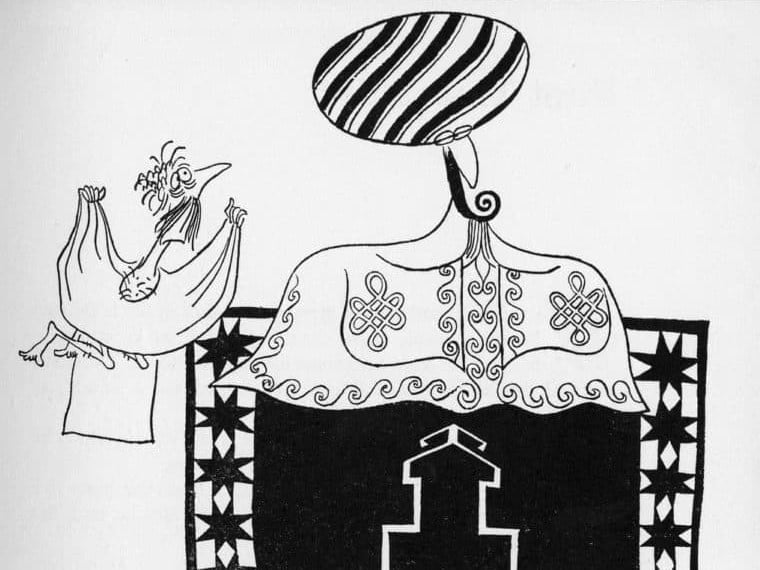
TURKEY: Nasreddin Coffee Stories
The Ottoman coffeehouses, where Nasreddin Hodja works, couldn’t get better advertisement than its own delicious diverting roasting-coffee smell; which pulls locals and tourists alike, to wait for fresh coffee in surprisingly orderly lines that snake deep into the grand bazaar in Istanbul. It is a literal hole in the wall, with no indoor seating, simply…
-

History and Evolution of the Ottoman Coffeehouses of Istanbul
Coffeehouses in Constantinople•Istanbul
-

STORYTELLING TURKEY: The Meddah
A tradition of Turkish folklore that took shape in Constantinople’s Ottoman coffeehouses is the Meddah, which sees a storyteller performing in front of the audience of the coffee shop, interpreting various dramatic or comedic roles, changing each time the tone of voice and helping himself with a cane or a handkerchief to indicate the change…
-
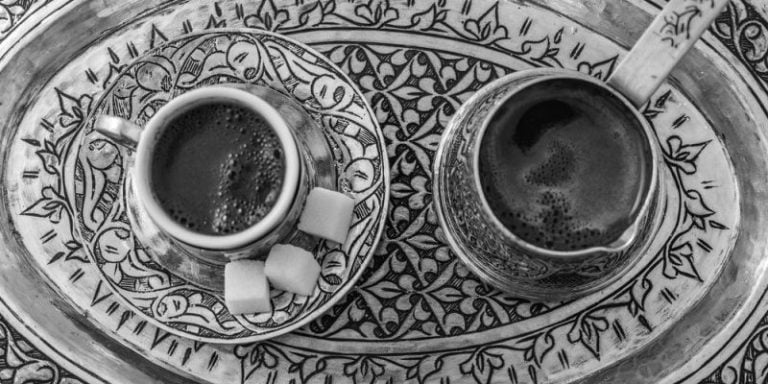
Sociability of Turkish Coffee culture
Coffee Culture in Turkey and Istanbul, lokum and Fal or fortuneread
-
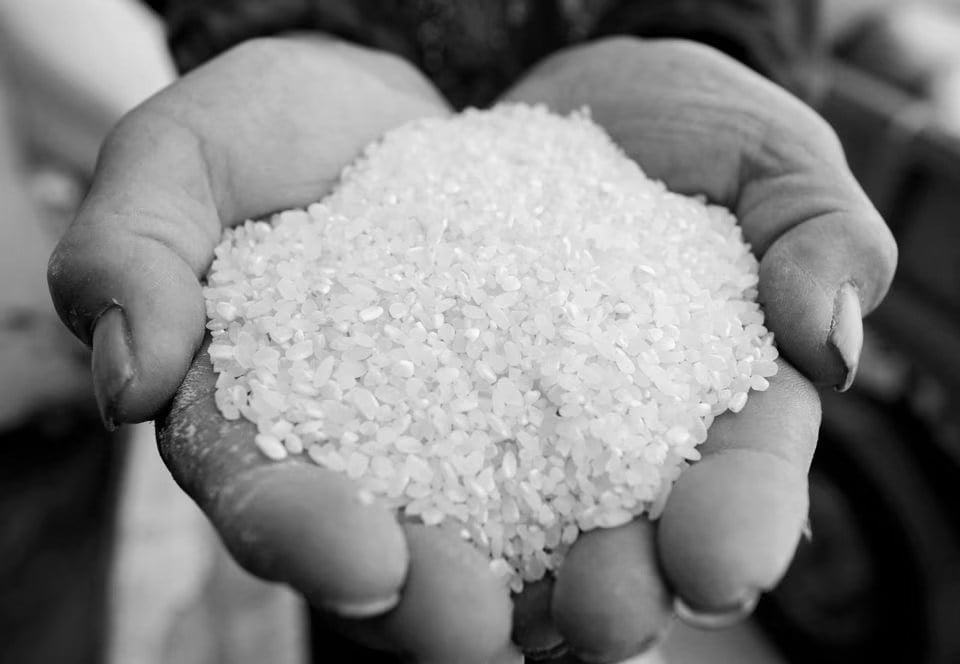
TIMELINE: A story of Rice
The story of rice and how it was first discovered and then spread to all of the major countries on Earth is a fascinating tale that includes mythology, romance, politics, religion, intrigue, heroics, deceit, greed, famine and innovation. The symbol represents the Chinese/Japanese character for a rice grain. Clockwise from the top English, French, Tagalog,…
-

INDONESIA | BALI : Myths, History & Folklore of RICE – Nasi
There are many origin myths and much folklore about rice, it is believed that a goddesses gave rice to humans and taught them how to grow it. Religious use of rice takes place in India, China, Thailand, Indonesia, Sri Lanka, and Malaysia. In Asia, the rice spirit is a goddess and often a mother figure,…
-

INDONESIA: FOLK TALES ON RICE
There’s more to rice than you think- Discover rice in Indonesian folk tales and legends. – Discover rice in Indonesian folk tales from Java, Bali, Kalimantan, Nusa Tenggara, Jambi, Sumatra and Banten.
-

INDONESIA: Myth, History and Folklore of RICE- Nasi
It is believed that a goddesses gave rice to humans and taught them how to grow it. Religious use of rice takes place in India, China, Thailand, Indonesia, Sri Lanka, and Malaysia. In Asia, the rice spirit is female and often a mother figure. Discover Myth, History and Folklore of RICE in Indonesia.
-

INDIA: RICE dishes Khichri, Byriani, Kheer, Dosa & Idlly
Discover the history, myths and legends of the Indian rice dishes like Khichri, Byriani, Kheer- Dosa & Idlly. Try some recipe and watch videos.
-

INDIA: FOLK TALES on Rice
DISCOVER RICE IN INDIAN FOLK TALES AND LEGENDS Folk tales, like other genres of folklore of any society, reflect emotions, needs, conflicts and other aspects of human psyche that people acquire as a result of growing up in a specific culture. Folk tales are probably the most crystallized and apt expression of human thoughts. The…
-

INDIA: Myths, History and Folklore of Rice
There are many myths, legends and much folklore about rice. Gods or goddesses gave rice to humans and taught them how to grow it. In Asia, the rice spirit is female and often a mother figure. Religious use of rice takes place in China, Thailand, Indonesia, Sri Lanka, and Malaysia. Discover Myths, History and Folklore…
-

INDIA: Proverbs and wise sayings in relation to Rice – Chaaval
Proverbs and wise sayings in relation to rice from India- Common sayings seem to be the rice roots of any culture. Handled down over generations orally from one to another with their own spin, they can give us insights into worldview. Traditional values have disappeared or are changed over time, but some proverbs that explicate…
-

The Mother Goddess of Fertility and Rice
There are many myths, legends and much folklore about the mother goddess of fertility and rice in India. Goddesses like Lakshmi, Gauri and Saraswati gave rice to Indians and taught them how to grow it.
-

CHINA: On the origin of Rice 稻 – Myths, History and Folklore
Myths, History and Folklore of RICE in China
-

CHINA: Proverbs and wise sayings in relation to Rice 稻
Proverbs and wise sayings in relation to rice from China. – Common sayings seem to be the roots of any culture.

